
Hope: When It Helps and When It Hurts
Hope can keep you going when you love someone with addiction—but it can also keep you stuck. Learn the difference between grounded hope and the kind that quietly ties you to potential instead of reality.
Hope can keep you going when you love someone with addiction—but it can also keep you stuck. Learn the difference between grounded hope and the kind that quietly ties you to potential instead of reality.
They promise to stop—and then it happens again. If you’re exhausted by the cycle of hope and disappointment, you’re not alone. Here’s why broken promises are so common in addiction, and how to start protecting your own peace.
You didn’t cause their addiction—even if you’ve been made to feel like you did. This article gently unpacks guilt, blame, and the emotional logic of addiction, so you can see more clearly where responsibility truly belongs.
When love doesn’t lead to change, it’s easy to assume you’ve failed. But love doesn’t create change — choice does. This article explores why love, like logic, isn’t enough on its own in addiction, and why that truth is not a personal failure, but a relief.
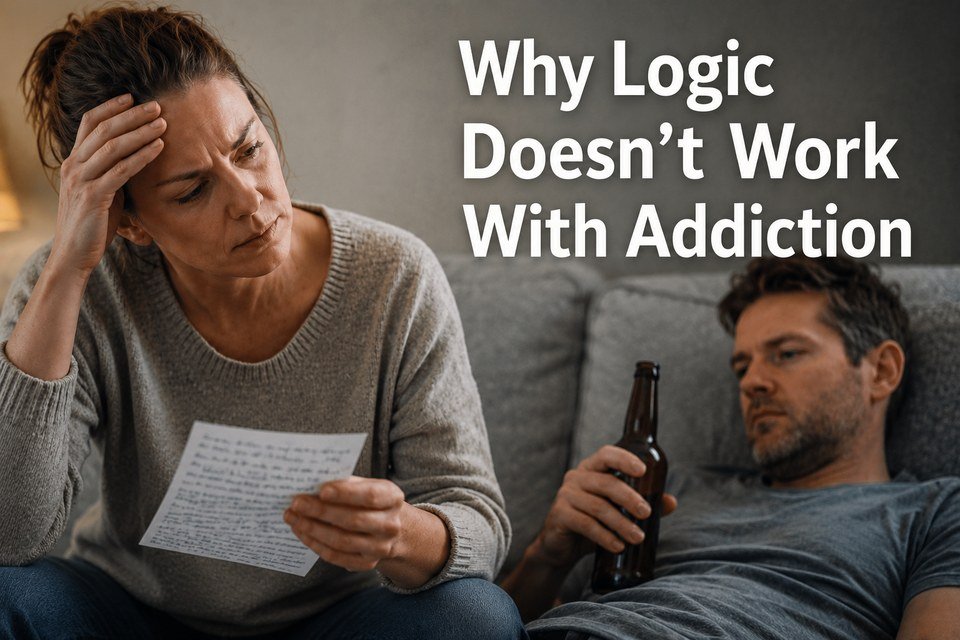
If love and logic were enough, addiction wouldn’t still be here. But addiction doesn’t speak the language of reason or values — it speaks urgency and relief. This piece explores why your best arguments fail, why love isn’t leverage, and why choosing yourself is not cruelty.
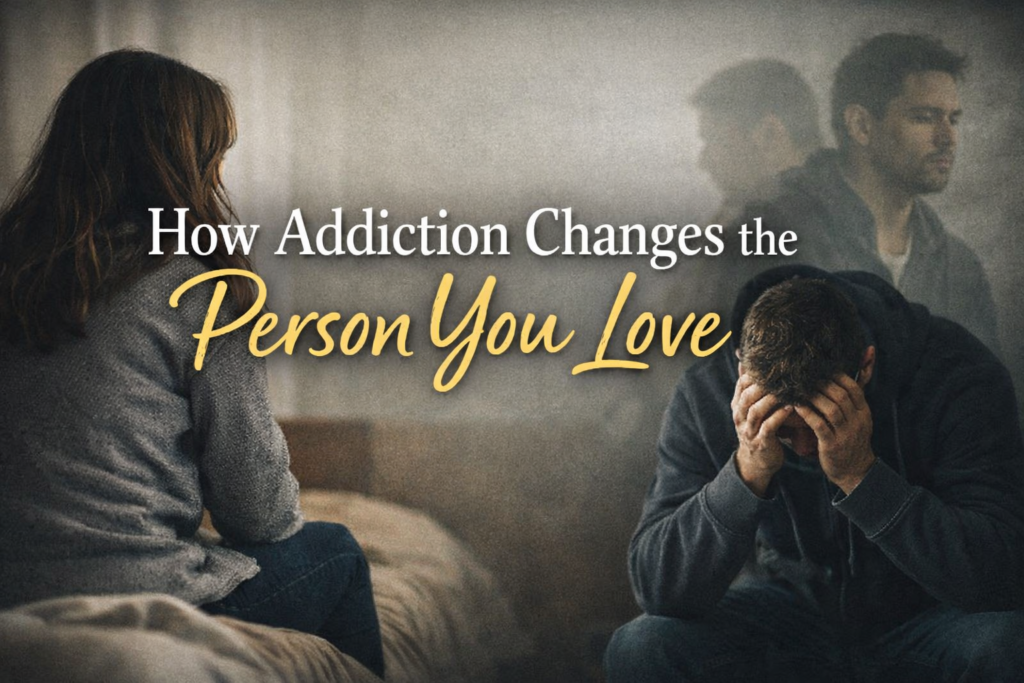
You don’t just lose trust when you love someone with addiction — you lose pieces of the person you knew. This post names the quiet grief of watching someone change, the pain of loving two versions of one person, and how to stay yourself when who they are keeps shifting.
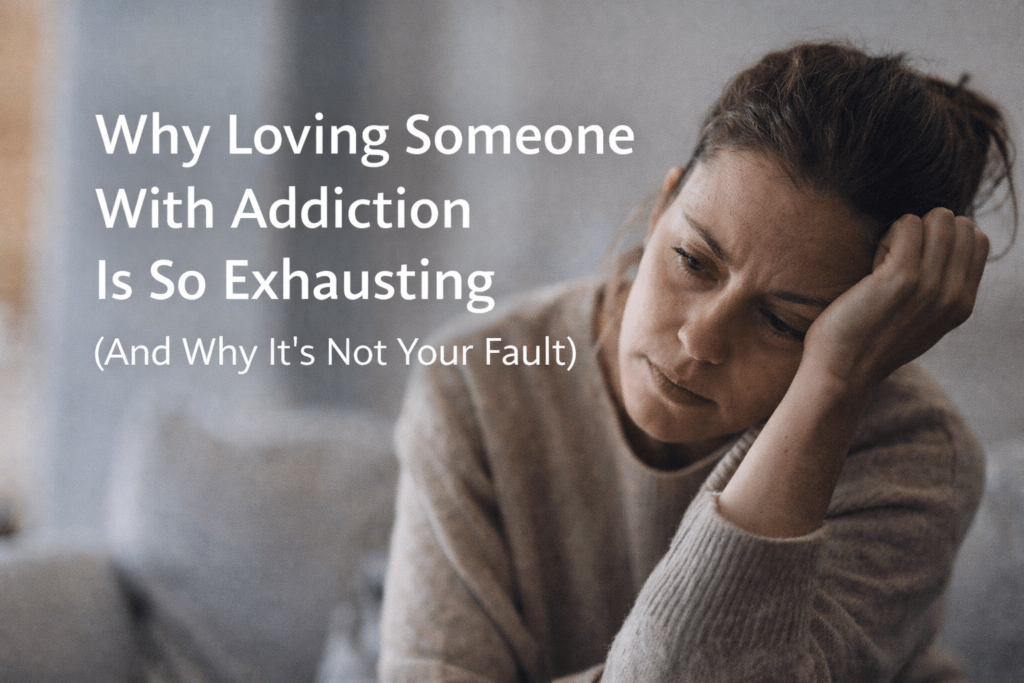
If loving someone with an addiction leaves you deeply tired in ways rest doesn’t fix, there’s a reason. This article explains why the exhaustion is real, cumulative, and understandable, and why it isn’t a personal failure, weakness, or sign that you’re coping badly or loving incorrectly.
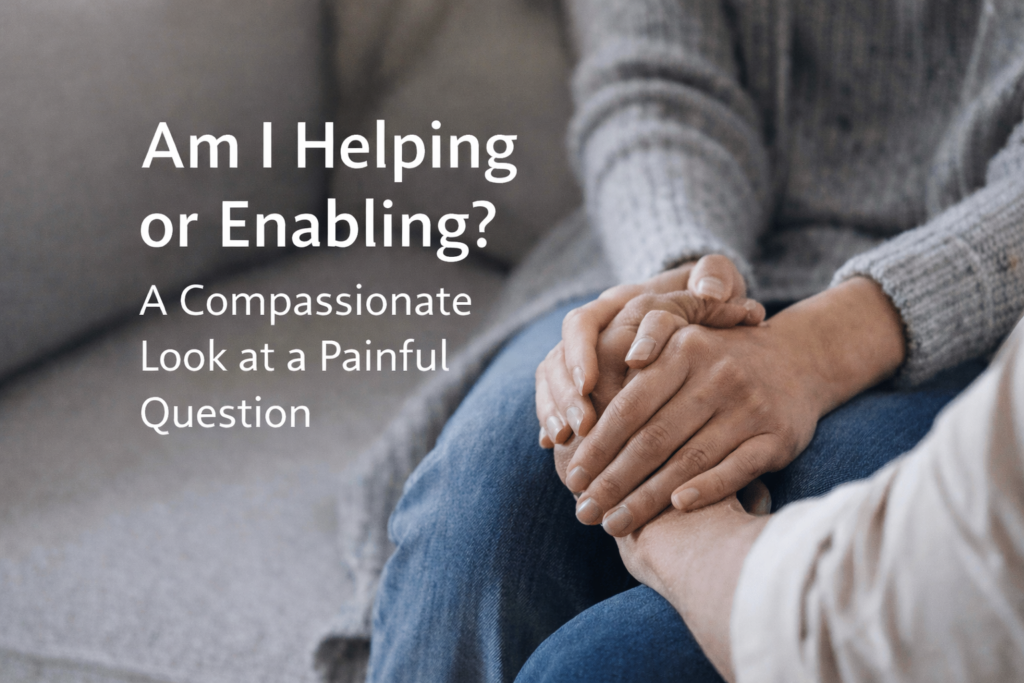
When you love someone with an addiction, the line between helping and enabling can feel painfully unclear. This article explores that question without blame or judgement, offering a steadier way to understand care, responsibility, and how to stop carrying more than your share.
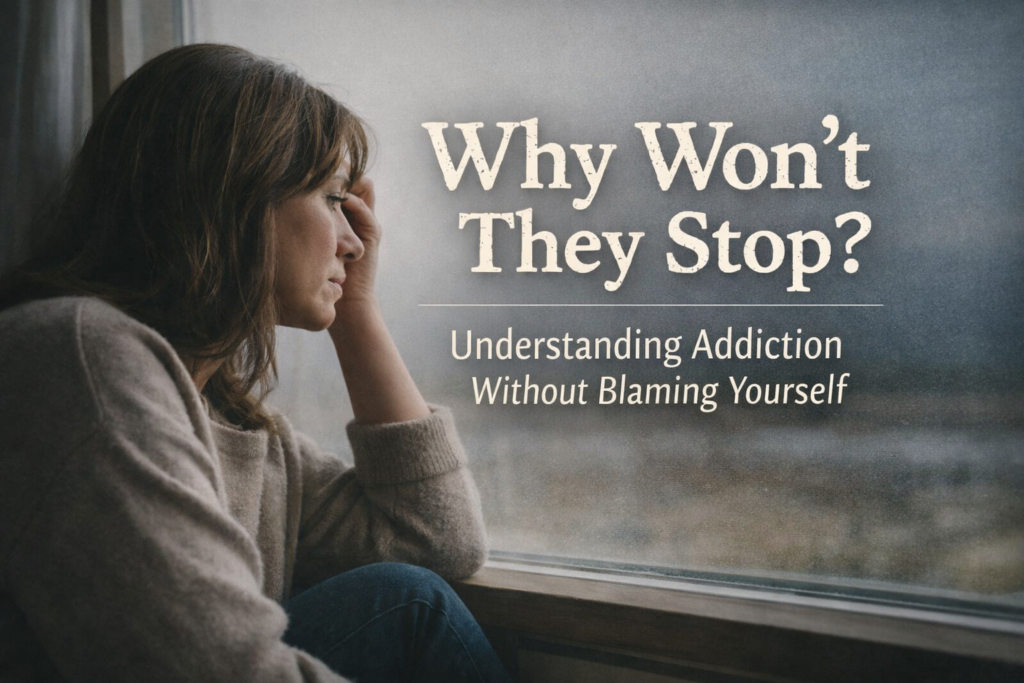
When you love someone with an addiction, the question “Why won’t they stop?” can slowly turn into self-blame and exhaustion. This article explores what addiction really is — and why responsibility for change was never meant to sit on your shoulders.